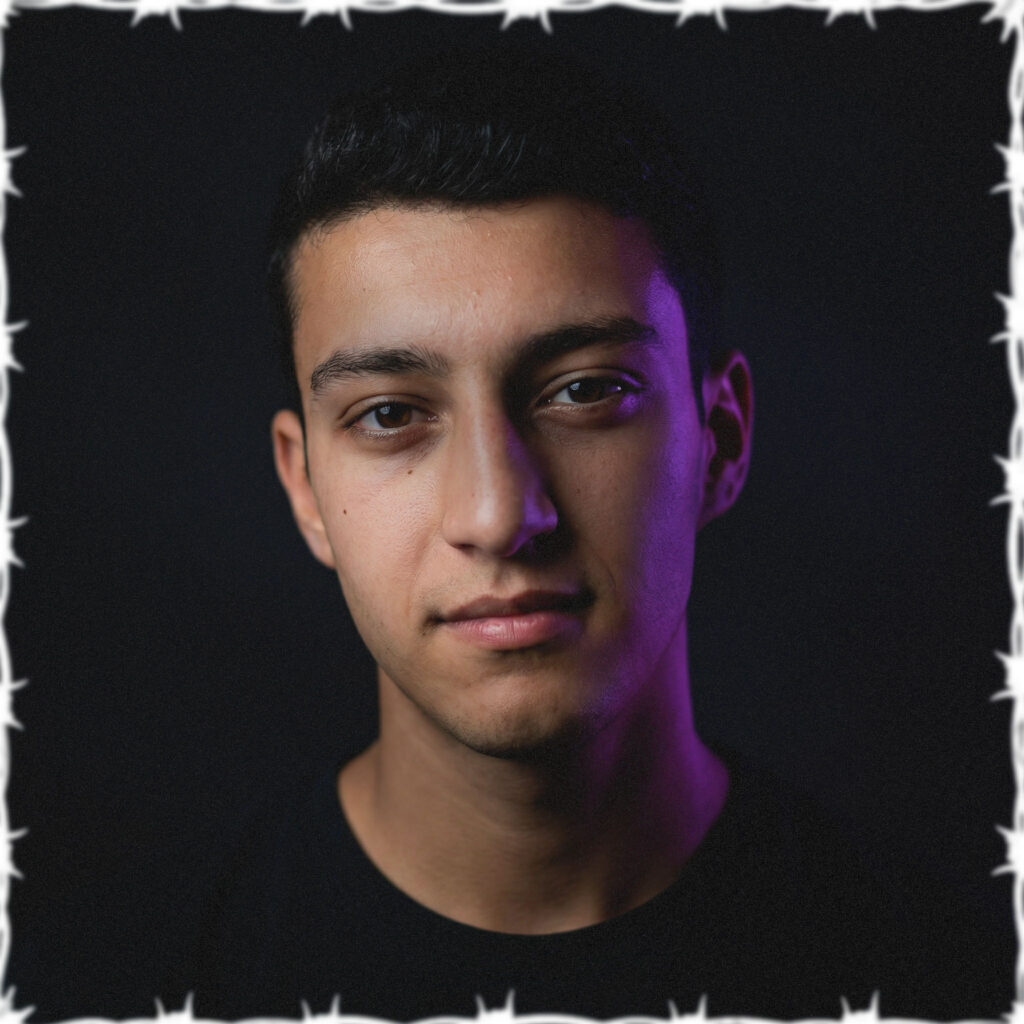
Abdessalem, a young Tunisian man from the Sfax governorate and a type 1 Diabetic, was arrested, along with his younger brother, on February 28, 2021, in front of their residence on charges of violating the curfew. He was taken to the detention center in the city of Sfax and then transferred on the second day to the detention center in Chihiya, only to be returned to the Sfax detention center. His health began to deteriorate due to the refusal of police officers at the detention center to provide him with insulin doses at necessary times. Despite receiving the doses from his mother, who informed them that he was diabetic and needed insulin several times a day, the officers deliberately ignored it. The refusal of the officers at the center to administer insulin doses to Abdessalem resulted in the deterioration of his health, as he was a Type 1 Diabetic whose treatment depended on insulin, and his life was at risk without it. This required a transfer to the Habib Bourguiba University Hospital, where a doctor requested laboratory tests. The medical record indicated he had diabetes, yet the police quickly took him back to the detention center without giving any importance to his health condition. They continued refusing to give him the insulin doses instead of keeping him in the hospital to receive the needed treatment. He was subsequently brought before the court, where the public prosecutor issued a detention order against him and his brother without taking into consideration Abdessalem’s health condition or giving it any importance. In addition, his health had further deteriorated to the point where he began vomiting blood and fainting inside the detention center. After this, he was transferred to the hospital again, where he passed away moments after being transferred on March 2, 2021. This was confirmed by the forensic report, which indicated that Abdessalem Zayen’s death resulted from complications due to elevated blood sugar levels caused by not receiving insulin doses for two consecutive days at the detention center. It was noted that these complications could have been avoided by administering a single dose on the second day in the civil prison, as his health condition required multiple insulin doses daily.