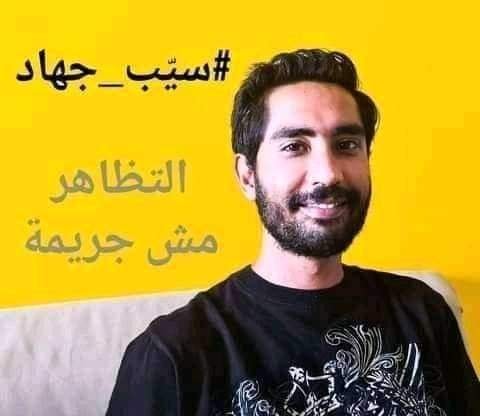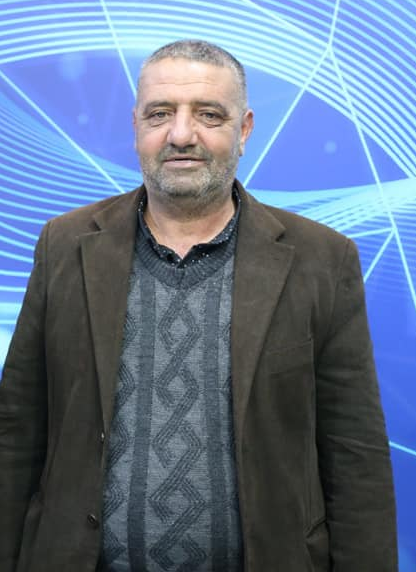

Journalist and blogger Houssem Hajlaoui was summoned on 13 and 14 May 2024 for questioning before an investigating officer, following a complaint filed by a security unit through the Criminal Cases Directorate in El Gorjani. The complaint was based on Article 86 of the Telecommunications Code, which stipulates that “anyone who intentionally harms others or disturbs their peace through public telecommunications networks shall be punished by imprisonment for a term ranging from one to two years and a fine of one hundred to one thousand dinars.”
He was also charged under Article 24 of Decree-Law 54, which provides for a prison sentence of five years and a fine of fifty thousand dinars for anyone who deliberately uses information and communication networks or systems to produce, promote, publish, send, or prepare false news, statements, rumors, fabricated or forged documents, or documents falsely attributed to others, with the aim of infringing upon the rights of others, harming public security or national defense, or spreading fear among the population. The same penalties apply to anyone who uses information systems to publish or disseminate fabricated or forged documents, or data containing personal information or false allegations, with the aim of defamation, harming reputation, causing material or moral damage, inciting violence, or promoting hate speech. The penalties are doubled if the targeted person is a public official or similar.
According to his lawyer, in a radio interview, the charges stem from critical posts he published over the past four years, including posts addressing security abuses during the COVID-19 lockdown period in March 2020. On 14 May 2024, Hajlaoui was placed in police custody for 48 hours, and his phone was confiscated.
On 16 May 2024, the Public Prosecutor issued a detention warrant committing him to Mornaguia Prison. He subsequently appeared before the court on 23 May 2024, where the Sixth Criminal Chamber of the Court of First Instance of Tunis sentenced him to nine months’ imprisonment, while granting a suspended sentence, as clarified by his lawyer following contact with Intersection Association for Rights and Freedoms.
His lawyer further stated that the investigation dates back to 2020, which, in his view, renders the case legally invalid, as the alleged offense qualifies as a misdemeanor that becomes time-barred after three years under Tunisian law. An appeal has been filed, and the defense is awaiting the court’s decision on the appellate case.