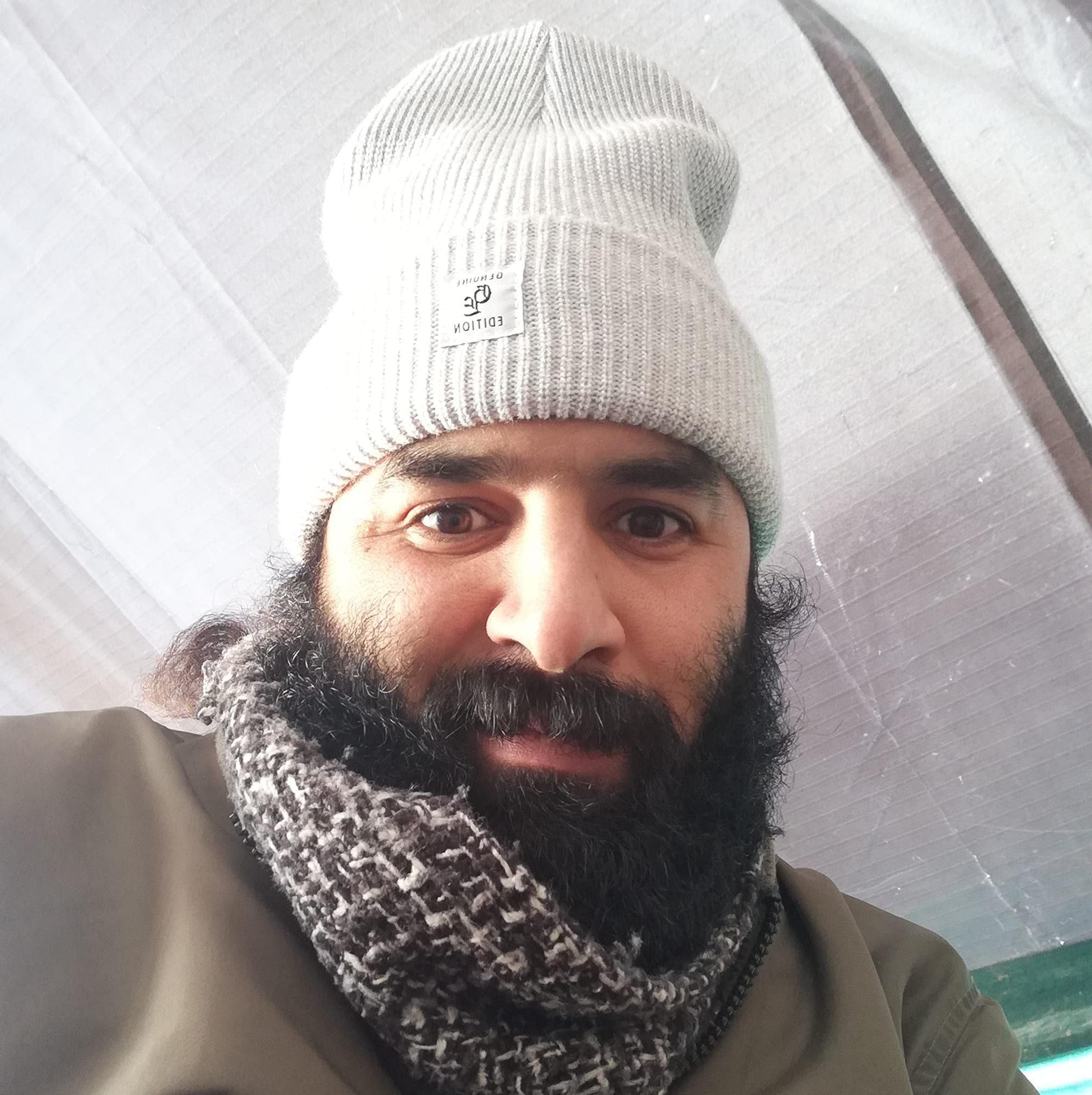
Ali Kniss, an activist and researcher, is being prosecuted due to his involvement in protests demanding the truth concerning the fate of the 17 young people from Zarzis who went missing at sea.
This case dates back to September 21, when these young people left the shores of Zarzis in a boat, after which all contact was lost for 48 hours, and the uncertainty about their whereabouts continued for three weeks, until bodies were found on the shores.
As a result of this incident, the families learned that some of the bodies had been buried as “unidentified” and as “Sub-Saharan Africans” in the “African Gardens” cemetery, without any prior notification from the authorities.
This tragedy sent shockwaves across the city of Zarzis and Tunisia, sparking widespread public outcry. Fueled by resentment and frustration, citizens organized demonstrations and protest gatherings, demanding clarity on the whereabouts of the missing young people and the truth behind the events. Initially, authorities summoned several activists to testify about the incident. However, over two years later, their roles shifted from witnesses to defendants in multiple legal proceedings.
On November 21, 2024, “Kniss” contacted one of his friends to inquire about his legal situation and was informed that his case, along with another activist, had been referred by the Public Prosecutor under Article 24 of Decree 54. The judge later decided to reclassify the case under Article 86 of the Telecommunications Code, and a default judgment was issued against him, sentencing him to three months in prison.
“Ali kniss” then mentioned that he hired a lawyer to appeal the judgment issued in his absence, and a new session was scheduled for January 2, 2025.
And on January 23, 2025, the final judgment was issued, and he was notified on January 25, 2025, due to an administrative delay from the court registry. The court sentenced him to three months in prison, with the execution of the sentence postponed. The victim of this violation stated that his friend was removed from the courtroom even though the session was public. He also added that he found himself facing an old case that had been reopened, dating back to 2018, concerning a financial violation related to a motorcycle. He considered these actions as an attempt to suppress freedoms, restrict social movements, and intimidate activists to prevent them from continuing to defend the case of the young people from Zarzis.
He also mentioned that, by coincidence, he discovered a third case against him, where he learned he was wanted for investigation and questioning, and that he went to receive the official summons for this matter, but the relevant authorities refused to give it to him without any justification. It later turned out that the hearing was scheduled for March 24, but he was later surprised to find it had been changed to March 28 without any official notification. After his lawyer intervened, the hearing was rescheduled again to April 2.
Upon reviewing the charges against him, “Ali” stated that the background of the case was related to the “Zarzis Movement 18/18,” where residents and activists staged a sit-in and blocked the gates of the commercial port and free zone in Zarzis for 21 days, protesting the authorities’ procrastination of ignoring their demands. One night, a person who was not part of the movement started taking photos and videos of the protesters and the car plates of those supporting the cause from the region, without showing any identification or representing any official entity. This caused frustration among the protesters, who asked him not to photograph them, but he refused to comply. He then claimed that he was a “citizen” and not a security officer. However, the head of the security region arrived shortly after and intervened, stating that he was a security officer and had sent the person, which led to verbal clashes between the head of the security region and some of the residents, who were insulted and cursed by the security officer. Following this, the Public Prosecutor initiated a lawsuit at the request of the head of the security region against “Ali Kniss”, along with three other individuals who were charged with the same offense.